
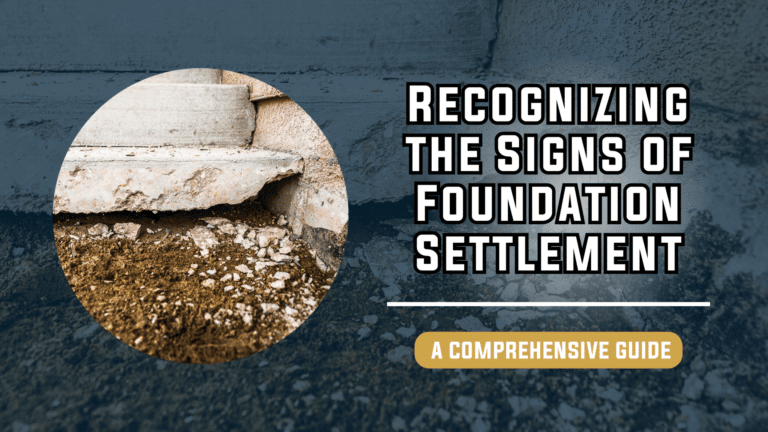
Foundation settlement and structural problems are related, but they are not identical. Some movement reflects normal material changes or long-term adjustment; other movement indicates loss of support, damaged framing, soil movement, water intrusion, or an unsafe structural condition. The pattern, location, timing, and accompanying symptoms matter more than a crack’s appearance alone.
This guide brings together the key warning signs, inspection steps, and repair options Los Angeles homeowners should understand before deciding whether a condition is cosmetic or structural.
What Is Foundation Settlement?
Settlement is downward movement of a foundation or supporting component. It can occur when soil consolidates, erodes, expands and contracts, loses moisture, becomes saturated, or cannot adequately support the imposed load. Raised foundations can also show settlement through displaced piers, posts, beams, or footings.
What Counts as a Structural Problem?
A structural problem affects the building’s ability to transfer loads safely. It may be caused by settlement, but also by decay, corrosion, earthquake damage, inadequate construction, altered framing, overloading, poor connections, or failed retaining and foundation elements.
Common Warning Signs
- Cracks that widen, lengthen, recur, or show displacement
- Doors and windows binding in several areas
- Floors that slope, bounce, or change elevation
- Gaps at walls, ceilings, trim, cabinets, or exterior finishes
- Rotated, displaced, or deteriorated posts and piers
- Moisture, decay, corrosion, or pest damage
- Separation between additions and the original structure
- Movement associated with retaining walls, hillsides, or drainage paths
No single symptom proves the cause. A hairline crack can be cosmetic, while a modest-looking crack may accompany hidden support loss. Monitoring change over time and inspecting the complete load path are more reliable than using a universal crack-width rule.
Cosmetic Cracks vs. Conditions That Need Prompt Review
Often cosmetic—but still worth documenting
Small, stable finish cracks at drywall joints or stucco may result from shrinkage, temperature, or prior movement. Photograph them with a date and reference scale and watch for change.
Prompt professional evaluation recommended
Seek review when cracks show displacement, recur after repair, appear with floor movement or sticking openings, cross structural elements, expose reinforcement, admit water, or follow an earthquake, excavation, leak, or sudden site change.
Urgent safety concern
Keep people away from an area and contact the appropriate professional or local authority when there is sudden significant movement, partial collapse, visibly failing supports, falling concrete, severe retaining-wall movement, or damaged utilities.
Why Los Angeles Homes Settle
- Variable or poorly compacted fill
- Expansive soil and seasonal moisture change
- Erosion, hillside runoff, or inadequate drainage
- Plumbing or irrigation leaks
- Tree roots and vegetation-related moisture changes
- Older or undersized footings and piers
- Earthquake movement or inadequate connections
- Uncoordinated additions and previous repairs
EPA moisture guidance supports controlling surface and subsurface water and directing it away from foundations. Drainage correction is often part of preventing recurrence.
What a Foundation Inspection Should Include
- History of movement, leaks, remodels, and prior repairs
- Interior and exterior crack patterns
- Doors, windows, floors, and finish separations
- Floor-elevation measurements where appropriate
- Crawl-space framing, posts, piers, and connections
- Perimeter foundation, slabs, retaining walls, and site drainage
- Distinction between active causes and historical damage
- Recommendation for engineering, geotechnical review, or monitoring when needed
Repair Options Depend on the Cause
- Drainage and moisture correction when water or erosion is contributing.
- Localized framing or support repair for damaged raised-foundation components.
- House leveling where controlled elevation correction is appropriate.
- Underpinning where shallow bearing is inadequate or settlement is continuing.
- Concrete repair where deterioration rather than bearing failure is the main issue.
- Monitoring when evidence does not yet justify invasive work.
Permits and Contractor Selection
The Los Angeles Department of Building and Safety should be consulted for permit requirements within the city. California’s Contractors State License Board recommends verifying licenses and comparing detailed written bids.
If you are evaluating a property before purchase, our foundation inspection checklist for older Los Angeles homes helps organize records, visible concerns and questions for the inspection.
Schedule a Foundation Evaluation
NE Construction & Design evaluates settlement, cracks, raised foundations, slabs, drainage, and structural-support concerns throughout Los Angeles County. Begin with a documented foundation inspection before selecting a repair method.
Request a consultation to discuss the symptoms at your property.